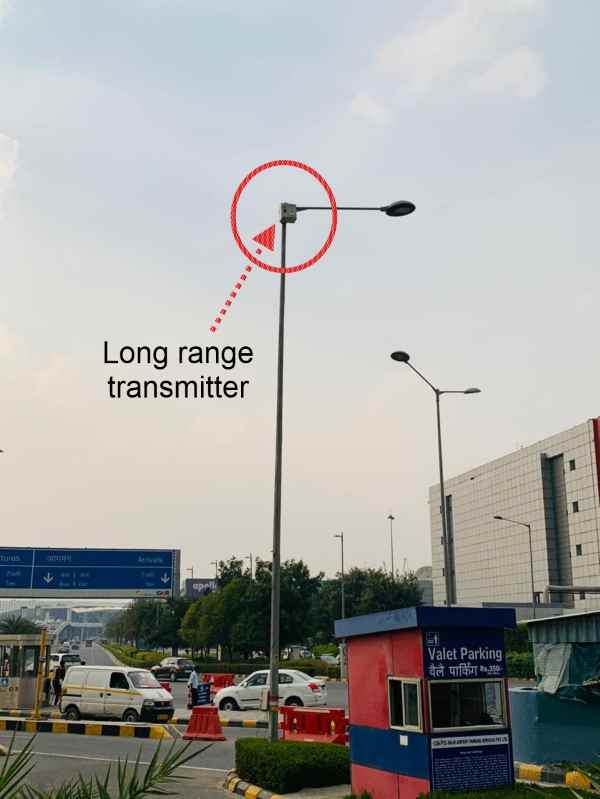
"Runway incursions remain a serious aviation safety concern. Long-range radio warning links can cut response time sharply. Faster alerts help stop conflicts before they become collisions."
What a Runway Incursion Means
An incursion happens when a plane, vehicle, or person is on a runway without proper clearance. Near misses and worse can follow in seconds.
Large airports have many runways, taxiways, and service roads. Visual watch and voice radio still matter, yet they have limits. Fog, night work, and distance can delay the first warning. Therefore, automated RF alerts add a needed safety layer.
How Long-Range Radios Help
Long-range transceivers form the warning network backbone. Short-range links may miss far thresholds and remote crossings. Five kilometers of reliable RF covers many large airfields.
Key Technical Advantages
These strengths translate into faster, clearer ground warnings.
-
Wide Field Coverage
Alerts reach remote runway ends and service roads.
Shorter wireless links often cannot span that ground.
-
Instant Alert Path
RF warnings travel in a fraction of a second.
Teams get time to stop before paths cross.
-
Works in Poor Visibility
Fog and rain hide vehicles from the naked eye.
Radio alerts still move when sight fails.
-
Less Cabling Across Runways
Wireless links avoid long digs under taxiways.
That cuts install pain and cable repair later.
-
Room to Expand
Add sensors or lights as operations grow.
You do not need a full redesign each time.
System Parts and Layout
A full warning setup joins several parts through radio links. Each part has one clear job.
Detection Sensors
Sensors watch runway entries and key crossings. They may use radar, magnetic loops, or pressure cues. Each detection then rides RF to the central processor.
Sensor Placement
Focus on runway entries and busy taxi intersections. Skip noisy zones that create constant false alarms. Good placement keeps trust in the alerts high.
Central Processing
The processor compares sensor feeds and scores risk. It separates normal cleared moves from true conflicts. Then it chooses the right alert level for the event.
Warning Displays
Hold bars and stop lights warn drivers and crews on the ground. Long-range radio can light several points at once. Distance from the control building no longer blocks that cue.
ATC Integration
Controllers can see the same events on their displays. Automation finds the risk; people decide the next move. That mix keeps both speed and judgment in play.
Automated detection plus long-range radio changed ground safety. Teams now act earlier instead of only after a scare. Prevention beats last-second reaction every time.
Implementation Considerations
Rollout needs technical, regulatory, and ops planning together. Skipping any one of those creates weak spots.
Frequency Coordination
Aviation safety radios sit in assigned bands. Coordinate with national authorities before go-live. Clean frequency plans avoid clashes with nearby systems.
Environmental Hardening
Airfields bring heat, moisture, vibration, and radar noise. Industrial-grade FORBIX SEMICON® style radios suit that mix. Soft office gear will not last on the field edge.
Redundancy
Safety systems need backup power and backup RF paths. Dual channels and automatic failover keep coverage alive. One failed radio should not blind a whole runway end.
Existing System Fit
Join surface radar, A-SMGCS, and ops databases where possible. Standard interfaces reduce downtime during cutover.
Extra Operational Gains
Safety is the main goal, yet ops benefits follow.
Better Situational Awareness
Live ground tracks help controllers and ops desks alike. Routine decisions improve, not only emergency ones.
Data for Safety Reviews
Logged near events reveal patterns over months. Teams can fix signs, procedures, or hotspots early.
Fewer Delays
Clear runway status supports faster crossing clearances. Taxi times drop when controllers trust the field picture.
Training Feedback
Event logs show where vehicle drivers need coaching. Targeted drills then reduce repeat mistakes.
What Comes Next
Warning systems keep adding links and smarter filters. These trends are already visible.
Vehicle and Cockpit Links
Future alerts may appear inside cockpits and vehicle screens. External lights then get a matching onboard cue.
Smarter Prediction
Pattern analysis can flag risk before a crossing starts. Early holds prevent protected-area entry in the first place.
Autonomous Ground Vehicles
Driverless apron vehicles need the same hold rules. Long-range radio can coordinate those moves with aircraft flow.
Frequently Asked Questions
What is a runway incursion warning system with long-range radios?
It detects unauthorized entry onto runways or protected areas. Long-range radios carry warnings across the airfield quickly. Control and field teams both get the cue in time.
How do long-range radios improve runway safety?
They keep links stable across large airports, often 5 km+. Warnings reach ATC and field devices almost at once. Response can improve by a large margin versus slow spotting alone.
What should airports look for?
Look for enough range, clean system integration, and compliance. Also weigh maintenance and long-term support cost.
What range do these radios offer?
Many aviation-ready links offer about 5 km or more. Terrain and obstacles still matter. Repeaters or mesh keep every runway end inside coverage.
Can these systems join existing airport networks?
Yes. Modern designs speak common display and data protocols. That lowers install risk and shortens commissioning.
Selecting the Right System
Match coverage and interfaces to your actual airfield shape.
Coverage needs rise with parallel runways and long taxiways. Small fields may need fewer sensors than major hubs.
Integration decides how smooth daily ops feel after install. Fit with current displays and networks saves rework.
Compliance with aviation safety rules is non-negotiable. Certified makers also ease audits and support calls.
Lifecycle cost includes calibration, parts, and upgrades. Reliable radios with long support usually win that math.
A runway incursion warning system with long-range radios is a major safety step. FORBIX SEMICON® long-range wireless links can support those field alerts. To conclude, growing traffic makes fast RF warnings a practical necessity.