
"Restaurants using wireless call systems often see about 30% faster table turns. Moreover, they report higher guest satisfaction scores and calmer staff. In many cases, the system pays for itself within a few busy seasons."
Why Call Bells Fit Modern Dining
Restaurant service must balance speed and privacy for every table. Guests want quick help without feeling watched mid‑conversation.
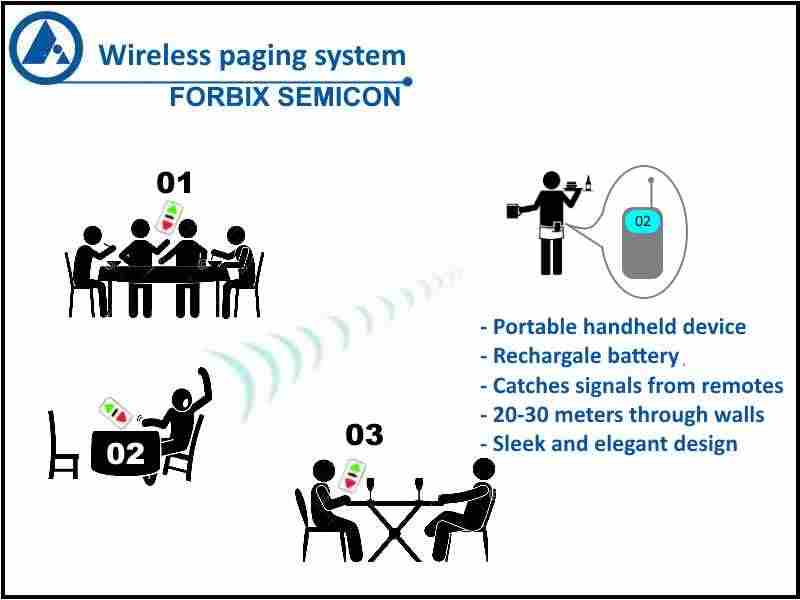
A wireless waiter call bell system solves this daily problem. Guests press a small call button only when they need help. Staff see table numbers on a receiver and walk straight over. Consequently, service gets faster with less wasted walking.
Key Benefits for Restaurant Service
A wireless guest calling system improves speed and staff workflow. Owners usually notice these gains after a few busy weekends.
-
Instant Guest Alerts
Guests press a button and staff see the table number right away.
-
Faster Table Turns
Faster response means quicker bills, shorter gaps, and more covers.
-
Less Wasted Walking
Servers stop scanning rooms and focus on real guest requests only.
-
Calmer Guest Experience
Guests feel in control of their visit and less stressed.
They call for help exactly when needed, not too soon or too late.
-
Better Staff Coverage
Clear alerts mean fewer servers can handle more tables well.
In other words, output rises without extra stress or burnout.
How Table Numbering Systems Work
Modern restaurant call systems with table numbering stay simple for guests. At the same time, the radio gear stays steady through busy nights. Knowing each part helps restaurants pick the right kit.
Table-Mounted Call Buttons
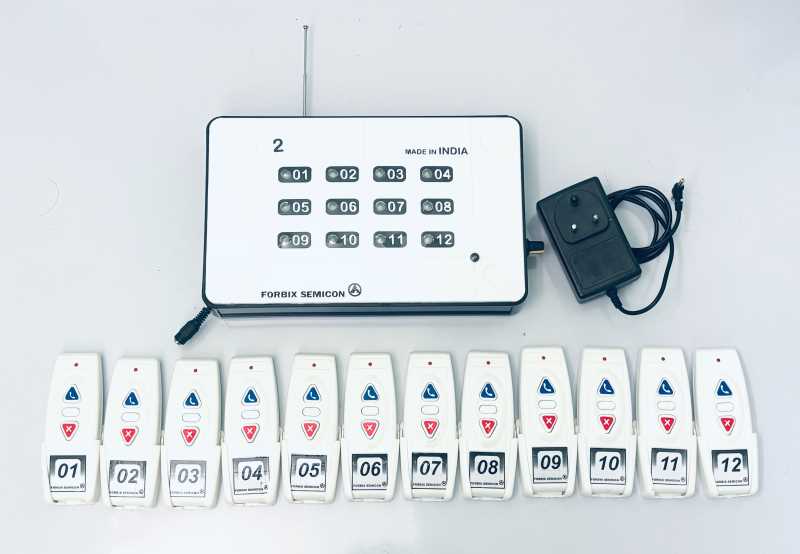
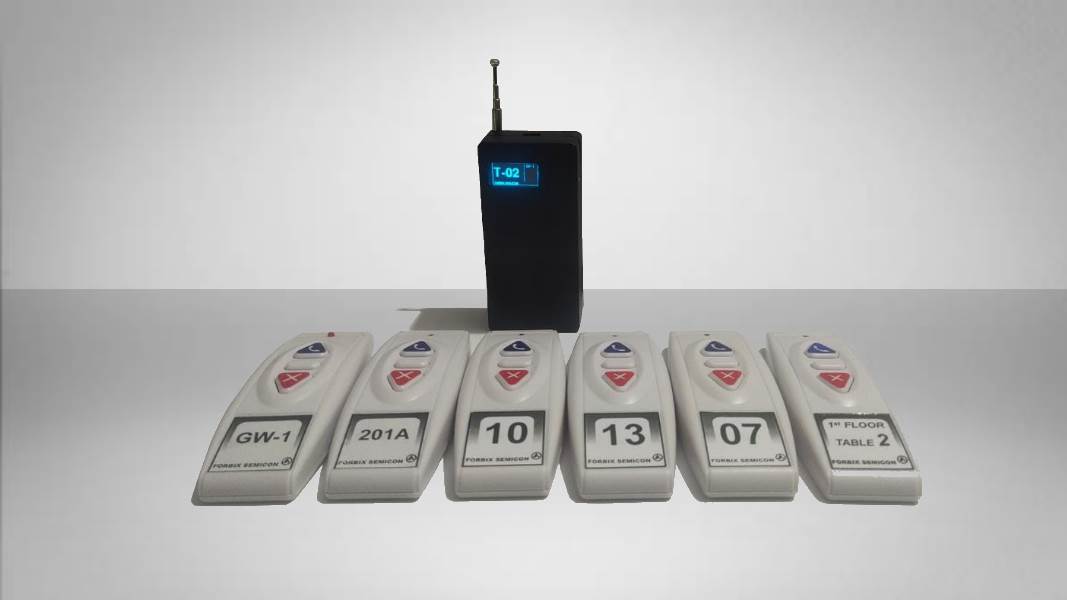
Each table gets a compact wireless transmitter with a call button. In most cases, each button maps to one clear table number. Quality designs look neat on the table and match the décor well. Durable housings handle daily use and busy weekend service. In addition, battery life usually runs for years, not just months. Some models add extra buttons for service, bill, or emergencies.
Central Display Receivers
Wall or counter displays show active calls with clear table numbers. Many also show the order of calls and simple time stamps. For example, the oldest call can blink or show first in the list. Audible alerts let you tune volume and tone for each venue. Bright visual indicators stand out in noisy kitchens and bars.
Wearable Pager Options
Some systems ship with belt pagers or smart watch style devices. Staff feel a small vibration and see the table number on screen. This quiet alert works well in loud bars and outdoor seating. In larger venues, wearables back up the main central display.
Wireless Communication Technology
RF (radio frequency) links keep signals stable across the dining area. Indoors, range is usually 30–40 meters through normal walls. Outdoors, many systems reach 100 meters or more line of sight. Quality designs avoid clashes with Wi‑Fi and other gadgets.
The wireless call system changed our service routine. Staff now walk less, and guests feel looked after. Reviews often mention timely, attentive service. It remains one of our best ops purchases.
Uses Across Restaurant Types
Wireless waiter call systems adapt to many hospitality settings. Even so, each type of restaurant benefits in a slightly different way.
Fine Dining Establishments
Upscale venues value quiet, discreet service above all. Elegant, low‑profile call buttons blend into each table setting. Staff get private alerts on pagers, not loud buzzers or lights.
Casual Dining Restaurants
High volume casual spots care most about speed and smooth flow. Central displays in service stations show all open table calls. Whoever is free can respond at once, even during rush periods.
Outdoor Seating & Patios
Outdoor seating adds distance, noise, and many visual blocks. Wireless call buttons cut through those limits with clear alerts. Weather‑resistant units cope with sun, wind, and light rain.
Food Courts & Self-Service Areas
Hybrid counters and food courts also gain from call buttons. Guests order at the counter then call staff for refills or help. In brief, the system links self‑service speed and full‑service care.
Bars & Lounges
Bars and lounges are dark and often very loud. In this case, hand signals fail and guests feel ignored. Wireless call buttons send a clear alert to bar staff instead.
Implementation Best Practices
A good rollout needs more than buying hardware. Plan a few steps so staff and guests use the system well.
Strategic Button Placement: Place buttons within easy reach. Avoid spots where elbows or plates press them all the time. For example, table edges or small side holders work very well.
Staff Training: Tech only helps when staff actually use it. Explain response steps, zones, and simple etiquette in detail. To sum up, show how the system reduces stress instead of tracking them.
Guest Education: Use a one line tent card on each table. In other words, tell guests the button is there to help, not bother you.
Response Time Standards: Set clear targets, such as 60 seconds. Track average times and, from time to time, share wins with your team.
Integration with Existing Workflows: Fit calls into set rounds. Decide who owns which zones and which calls come first. On the whole, keep rules simple so staff remember them in rush hours.
Choosing the Right Call System
Multiple factors shape your choice of system, large or small. Above all, match features to your layout, budget, and menu style.
Capacity Requirements: Some systems suit ten table cafes. Others scale to 100 seats or more, indoors and outside. To summarize, choose gear that fits today and near future plans.
Display Options: Decide where staff will read alerts. Busy kitchens often need one large, bright, fixed display. Mobile teams, by comparison, gain from personal pagers or apps.
Button Aesthetics: Buttons sit in full view on every table. Sleek, modern styles suit new builds and bold interiors. Classic shapes, on the other hand, blend into older venues.
Battery & Maintenance: Check real battery life figures. Good transmitters run two years or more with normal use. In any case, replacements should be cheap and easy to source.
Expandability: Think about seasonal patios and new wings. To this end, pick systems that add tables with simple pairing steps.
FAQs on Wireless Waiter Call Bell Systems
What is a wireless waiter call bell system for restaurant with table numbering?
It is a wireless system where each table gets its own call button. When pressed, staff see that table number on a display or pager. There is no wiring, so guests summon service with one simple press.
How do wireless waiter call systems improve restaurant service?
Guests request attention with a single, clear button press. Staff see the table ID at once and respond without guessing. Many venues see faster turns and better ratings as a result.
What should restaurants look for when choosing a wireless waiter call system?
Look for clear table numbering, at least 30–40 m indoor range, and easy setup. In addition, check display clarity, battery life, and room to expand later.
How many tables can a wireless waiter call system support?
Many models support up to 99 tables and, in some cases, even more. Each table has its own button, and the screen shows which one called. As your business grows, you can usually add more units in steps.
Is a wireless waiter call system easy to install?
Yes. Wireless systems need no signal wiring between tables and display. You place the buttons, power the receiver, and assign simple numbers. In many cases, setup finishes in a few hours between service times.
Return on Investment
Wireless call systems need some upfront spend but pay back fast in practice.
Revenue Increases: Faster service adds extra turns in peak hours. Better guest experience also grows average bill value over time.
Labor Optimization: Staff can cover more tables with less walking. You handle busy hours without linearly adding new team members.
Customer Retention: Faster, calmer service wins repeat visits. Good reviews and social posts lower long term marketing costs.
Reduced Complaints: Guests call when they need help. Fewer delays mean fewer complaints and less time fixing issues.
What Comes Next for Call Systems
Wireless call systems are proven tech with room to grow further. Future systems may log calls in POS tools and mobile apps.
Early adopters can upgrade with software, not full new hardware. A solid RF call system is a base for later features.
For service-focused owners, a wireless waiter call bell with table numbering gives quick wins now. It also leaves room for later upgrades.
Restaurants that use wireless call bells run smoother shifts. Waiting too long leaves older setups behind guest expectations.
Want to see real systems in action? Watch our wireless call bell demo video.