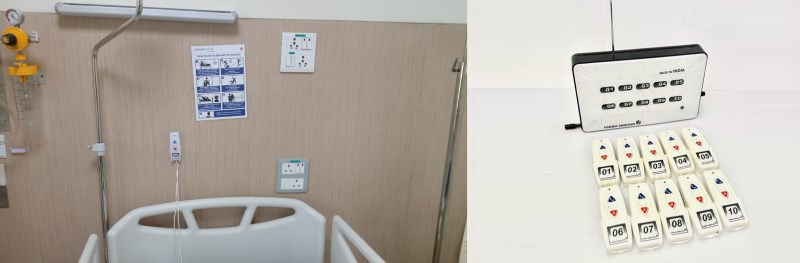
"Small nursing homes should not trade safety for price. Wireless nurse call can deliver strong alerts at a lower spend. Thus, professional emergency calling becomes reachable for many sites."
The Real Cost Challenge for Small Homes
A typical 15-bed wired install often lands around ₹3–5 lakhs. That covers electrical work, wall cuts, cables, and labour days. For thin margins, that bill can feel out of reach.
A complete 10-bed wireless kit can start near ₹51,200. That is often less than one-tenth of a wired quote. What’s more, install rarely needs weeks of disruption. The same day, staff can still run normal care routines.
Wireless vs Wired Cost Breakdown
Seeing where money goes makes the choice clearer. Here is a simple view for a 10-bed home.
Wireless System Cost Breakdown (10 Beds)
Wired labour alone can run ₹1.5–2 lakhs. Add materials, permits, and wall work, and totals rise fast. Conversely, wireless skips most of those line items.
What a Complete Kit Includes
A FORBIX SEMICON® style 10-bed kit is meant to go live quickly. There should be no surprise extras for basic coverage.
| Component | Quantity (10-Bed System) | Function |
|---|---|---|
| Wireless Patient Remotes | 10 units | One-touch emergency calling from each bed |
| Central Receiver Unit | 1 unit | Receives and displays all calls at nurse station |
| LCD Display Monitor | 1 unit | Visual alert display with room identification |
| Power Adapters | 11 units | 110-240VAC to 12VDC for all components |
| Batteries | 10 units (A23) | 2-4 year battery life for remotes |
Benefits That Matter for Small Homes
Price is only part of the story. Day-to-day fit matters just as much.
-
No Install Disruption
Care continues while devices are placed and tested.
Most rollouts finish in hours, not weeks.
-
Grow in Steps
Start with 10 beds and add more later.
Consequently, you pay only when capacity rises.
-
Low Maintenance
No cables or wall jacks to chase.
Batteries lasting 2–4 years keep annual cost tiny.
-
Flexible Room Layout
Move beds or change rooms without rewiring.
Remotes still work anywhere within range.
-
Trusted RF Performance
Free ISM band 380–480MHz supports stable links.
Small homes get the same alert style larger sites use.
Real-World Cost Examples
A 12-bed home in Bangalore faced a ₹4.8 lakh wired quote. The wireless path cost ₹61,440 instead. In other words, they kept over ₹4 lakhs for other care needs.
A 15-bed Mumbai home needed alerts for a new wing. Wired work meant wall cuts and about three weeks of dust. Instead, wireless went live the same day for ₹76,800.
We thought a proper nurse call system was out of budget. Wireless proved otherwise with better gear for less money. Residents feel safer knowing help is one button away.
Choosing the Right System Size
Small homes usually sit between 8 and 25 beds. Match kit size to today, with a little headroom.
8–12 beds: A 10-bed starter kit fits well. It also leaves room for one or two extra beds.
13–20 beds: Use a 20-bed kit or two 10-bed sets. The modular path lets you expand in calm steps.
21–30 beds: Add receiver units as needed. Wireless still avoids heavy infrastructure changes.
What Install Day Looks Like
Wireless install is short and easy to schedule. A typical day looks like this.
Morning: Unpack gear and place the receiver at the station. Staff get a short walkthrough of call and cancel.
Afternoon: Hand remotes to rooms and test each one. Then set room names on the display.
Evening: Go live and run a final staff drill. Show residents how to press their button once.
That is the full arc for many small sites. By comparison, wired work often needs 2–3 weeks.
Ongoing Costs Over Time
Purchase price is not the whole picture. Check long-term running costs too.
Battery replacement: A23 cells last about 2–4 years. At roughly ₹50 each, a 10-bed set stays cheap each year.
Maintenance: Look for dust, button feel, and battery status. There are no cable trays or connectors to rebuild.
Repairs: Failures are uncommon in normal use. If a remote fails, swap one unit without stopping the rest.
When Does It Pay Back?
Faster response and clearer alerts reduce missed needs. Preventing one serious fall can outweigh the kit price.
Better care also supports retention and referrals. For small homes, that repeat trust is hard to buy later.
Is Wireless Right for You?
Wireless nurse call fits small homes when these points apply.
- You have about 8–30 beds and need reliable emergency calling
- Wired quotes are too high for your current budget
- You want to avoid construction noise and downtime
- You may add beds later without a full rebuild
- You prefer low upkeep and simple battery swaps
If that sounds like your site, wireless is a strong match. Of course, still verify range against your floor plan.
What to Look For Before Buying
Focus on clear price, reliable coverage, and easy staff use.
Clear Total Cost
Ask for one price covering remotes, display, and adapters. Confirm no cable labour or permit fees are hiding later.
Range for Your Layout
About 100m coverage suits many single-floor homes. Multi-floor sites may need repeaters for dead corners.
Simple Nurse Display
Staff should see room or bed number at once. Priority cues help during busy evening hours.
Long Battery Life
Prefer remotes that run for years on standard cells. Replacement should not need a technician visit.
Frequently Asked Questions
How much does a small-home wireless system cost?
A complete 10-bed kit often starts near ₹51,200. Wired options for the same size commonly run ₹3–5 lakhs. That gap includes electrical work and labour.
How long does install take?
Many homes finish in one day. There is no wiring or wall rebuilding. Meanwhile, normal care can continue.
What is included in a 10-bed kit?
Expect 10 remotes, one receiver, one LCD display, and adapters. Batteries and basic accessories are usually included. In short, you should be ready to deploy at once.
Is wireless reliable enough?
Yes for most small nursing homes. Alerts arrive quickly, batteries last years, and use stays simple. Still, test every room during setup.
Can I expand later?
Yes. Add remotes or displays as bed count grows. You do not need to rewire the building.
Next Steps
Count beds, note bathrooms, and sketch your floor layout. Then ask for a kit size that fits today with mild headroom.
FORBIX SEMICON® can help match a 10-bed or larger set to your site. Take that consult so you buy only what you need.
Cost-effective should never mean weak safety. Wireless nurse call now brings strong alerts to small-home budgets. To conclude, residents deserve a clear call path, and this makes it possible.